Clear Aligners
Clear aligners offer a removable and discreet approach to straightening eligible smiles under dentist supervision.
Explore Clear Aligners →Chicago Dental Care
Traditional braces use controlled orthodontic forces to move teeth and improve alignment, spacing, and selected bite concerns. Full Smile Family Dentist provides orthodontic evaluations and braces treatment planning for eligible patients in Chicago.
Treatment recommendations depend on an examination, current imaging when appropriate, medical history, and the condition of your teeth and gums.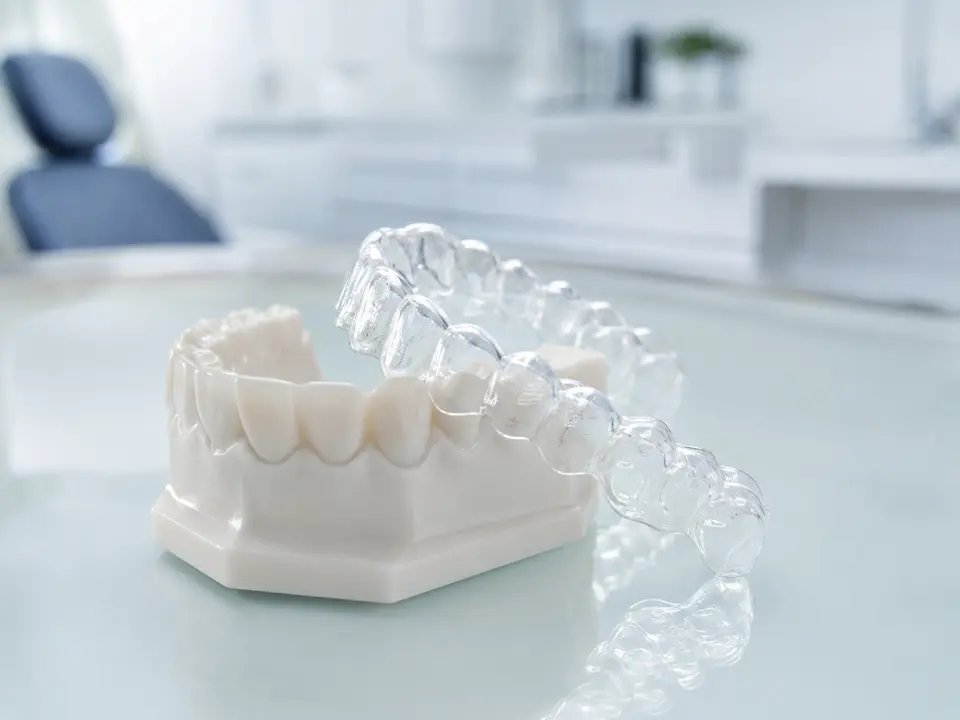
Personalized Dental Care in Chicago
Braces consist of brackets attached to the teeth and an orthodontic wire that guides tooth movement over time. Depending on the case, additional components such as elastics, coil springs, power chain, or other auxiliaries may be used to create specific movements and improve the relationship between the upper and lower teeth.
Orthodontic treatment is more than making front teeth look straight. The dentist evaluates crowding, spacing, overbite, overjet, crossbite, underbite tendencies, midlines, tooth position, eruption, gum health, bone support, and the way the teeth function together. Photographs, X-rays, scans, and other records may be used to plan treatment.
Treatment time and mechanics vary significantly. Some cases are relatively limited, while others require more complex movement, bite correction, extractions, interdisciplinary dental work, or specialist involvement. The recommended plan is based on your individual records and goals.
Braces Before & After
Orthodontic treatment uses controlled tooth movement to improve crowding, spacing, alignment, and bite relationships. Treatment time and final results depend on the starting bite, tooth movement, growth, cooperation, and individual biology.
Illustrative example: The before-and-after image shown is an illustrative example, not an actual Full Smile patient result. Individual outcomes and treatment timelines vary.

Orthodontic Evaluation
A healthy foundation is important before moving teeth. The dentist checks for active decay, gum inflammation, periodontal problems, impacted or missing teeth, previous dental work, and other conditions that may need attention before or during orthodontic care.
The evaluation also considers facial and dental proportions, available space, bite relationships, and the position of individual teeth. In growing patients, timing can matter because jaw growth and tooth eruption may influence the treatment approach.
How Braces Work
Orthodontic wires and attachments apply light forces to teeth. The surrounding bone remodels as the teeth move. Because biological response takes time, braces require regular monitoring and adjustments rather than aggressive movement all at once.
Elastics may be prescribed to help guide the bite in specific directions. Wearing elastics exactly as instructed is important because inconsistent wear can slow progress or produce less predictable movement. Never double elastic wear unless your treating provider specifically instructs you to do so.
Hygiene
Brackets and wires create additional areas where plaque and food can collect. Thorough brushing, interdental cleaning, fluoride use when recommended, and regular preventive visits help reduce the risk of cavities, gum inflammation, and permanent white-spot lesions around brackets.
Patients should also avoid habits and foods that repeatedly break brackets or bend wires. Broken components can interrupt planned mechanics and may lengthen treatment if they happen frequently.
Braces vs. Clear Aligners
Clear aligners are removable and can be a good option for selected patients, but they require consistent daily wear and are not ideal for every movement or bite problem. Braces remain useful when the dentist wants continuous control of tooth position or when compliance with removable appliances may be difficult.
During your consultation, we can discuss whether braces, clear aligners, monitoring, referral, or another approach is most appropriate for your goals and dental condition.
Retention, Insurance & Financing
Teeth can shift after active orthodontic treatment, so retainers are a critical part of maintaining the result. Retainer type and wear schedule depend on the case. Long-term retention is commonly needed because tooth position can continue to change throughout life.
Orthodontic insurance benefits vary by plan and may include age limits, lifetime maximums, waiting periods, or restrictions on treatment already in progress. Our team can help review available benefits. Sunbit, CareCredit, cards, cash, Weave Pay, and available in-house payment arrangements may also be available for eligible treatment portions.
Common Questions
Treatment time varies widely based on crowding, spacing, bite relationships, the movements required, growth, missed appointments, broken appliances, hygiene, and cooperation with instructions such as elastic wear. Your provider can give a more individualized estimate after records and examination.
Teeth can feel sore or tender for a few days after braces are placed or adjusted. The sensation is usually related to the controlled pressure used to move teeth. Contact the office if you have a broken wire, significant soft-tissue irritation, or pain that seems unusual or persistent.
Yes. Adults can often receive orthodontic treatment when the teeth, gums, and supporting bone are healthy enough for movement. Existing crowns, missing teeth, implants, or periodontal history may affect treatment planning.
Neither option is universally better. Braces can provide continuous control and may be preferred for certain movements or bite problems. Clear aligners are removable and discreet but require consistent wear. The best choice depends on your diagnosis and treatment goals.
Some plans include orthodontic benefits, often with a separate lifetime maximum, age restrictions, waiting periods, or treatment-in-progress rules. Other plans have no orthodontic coverage. The office can help review available benefit information.
Yes, retention is an important part of maintaining orthodontic results. Teeth can shift after braces are removed, so your provider will recommend a retainer type and wear schedule based on your case.
Related Care
Clear aligners offer a removable and discreet approach to straightening eligible smiles under dentist supervision.
Explore Clear Aligners →A custom night guard may help protect teeth and restorations from damage related to grinding or clenching.
Explore Custom Night Guards →Routine cleanings, comprehensive exams, and digital X-rays help protect your oral health and identify concerns early.
Explore Dental Cleanings & Exams →Plan Your Visit
Review accepted insurance information and explore Sunbit, CareCredit, secure online payments, and other available ways to manage dental treatment costs.
Plan Your Visit
Book an orthodontic consultation at Full Smile Family Dentist to review alignment, bite, treatment options, estimated timing, insurance benefits, and financing choices.