Dental Implants
Implant consultations help patients explore durable tooth-replacement options for one tooth, several teeth, or a full arch.
Explore Dental Implants →Chicago Dental Care
When a tooth cannot be predictably saved, extraction may be recommended to remove the source of pain, infection, or structural failure. Full Smile Family Dentist provides extraction evaluations and treatment planning in Chicago.
Treatment recommendations depend on an examination, current imaging when appropriate, medical history, and the condition of your teeth and gums.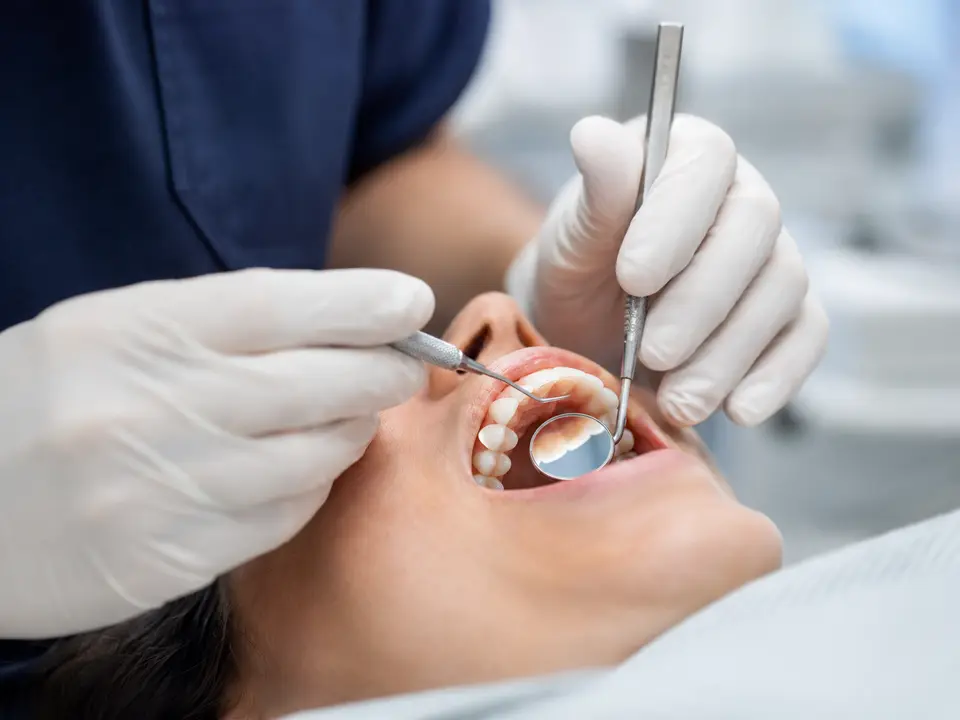
Personalized Dental Care in Chicago
Extraction may be considered when a tooth is severely decayed, fractured below a restorable level, affected by advanced periodontal support loss, or otherwise has a poor prognosis. It may also be part of selected orthodontic, denture, or surgical treatment plans.
The dentist first evaluates whether saving the tooth is realistic. Depending on the condition, alternatives may include a filling, crown, root canal treatment, periodontal treatment, monitoring, or specialist referral. If removal is recommended, the reason and replacement options are reviewed before treatment whenever possible.
Some extractions are straightforward while others are surgical or require specialist referral because of root shape, impaction, anatomy, medical history, or complexity.
Why Teeth Are Removed
Common reasons include severe decay, fracture, infection in a non-restorable tooth, advanced bone support loss, retained roots, or selected orthodontic and prosthetic needs. The diagnosis should be based on examination and appropriate imaging rather than pain alone.
What to Expect
Local anesthesia is used to numb the treatment area. The dentist reviews medical history, medications, allergies, bleeding risk, and other factors before treatment. Additional imaging or medical consultation may be needed in selected cases.
After removal, the office provides instructions about bleeding control, eating, cleaning, activity, and signs that should prompt a call.
Aftercare
Patients are generally advised to follow the written instructions closely, avoid disturbing the blood clot, and contact the office if bleeding cannot be controlled, swelling is worsening unexpectedly, pain becomes severe after initially improving, or another concerning symptom develops.
Difficulty breathing or swallowing or other life-threatening symptoms require emergency medical care.
Replacing the Tooth
Depending on location and function, a missing tooth may be replaced with an implant, bridge, partial denture, full denture, or another prosthetic option. Some spaces may be intentionally left open, but the consequences should be discussed.
Insurance benefits for extraction and replacement treatment differ. Our team can help review available coverage and financing options.
Chicago Extraction Visit
The dentist reviews your symptoms, medical history, medications, the condition of the tooth, and appropriate X-rays before recommending removal. When saving the tooth is reasonably possible, alternatives such as a filling, crown, root canal treatment, periodontal care, or specialist referral may be discussed.
If extraction is recommended, the office can also discuss what happens to the space afterward, including bone grafting when appropriate and replacement options such as an implant, bridge, partial denture, or full denture depending on the case.
Common Questions
An examination and often X-rays are needed. Extraction may be recommended when a tooth is non-restorable, severely fractured, has advanced support loss, or has another condition that makes saving it unpredictable.
Sometimes. Depending on the cause and remaining structure, options may include a filling, crown, root canal treatment, periodontal care, or another procedure. The dentist will explain realistic alternatives after evaluation.
Early soft-tissue healing occurs over time, while deeper bone remodeling continues much longer. Healing rate depends on the tooth, procedure, health, smoking or nicotine use, and other factors.
Possibly. Timing depends on infection, bone, gum condition, anatomy, healing, and the planned implant position. Some cases also require bone grafting.
Many dental plans include extraction benefits, but deductibles, coverage percentages, annual maximums, waiting periods, and surgical classifications vary.
Related Care
Implant consultations help patients explore durable tooth-replacement options for one tooth, several teeth, or a full arch.
Explore Dental Implants →Bone grafting may help rebuild support in areas where bone volume has been reduced before or during implant treatment.
Explore Bone Grafting →Call for pain, swelling, a broken tooth, trauma, infection concerns, or questions about same-day emergency availability.
Explore Emergency Dentistry →Plan Your Visit
Review accepted insurance information and explore Sunbit, CareCredit, secure online payments, and other available ways to manage dental treatment costs.
Plan Your Visit
Book an exam so the dentist can determine whether the tooth can be saved, whether removal is appropriate, and what replacement options may be available afterward.