Full Dentures
Full dentures are designed to replace a complete arch of missing teeth and support everyday function and appearance.
Explore Full Dentures →Chicago Dental Care
Partial dentures can replace several missing teeth while using the remaining teeth and oral tissues for support. Full Smile Family Dentist provides removable tooth-replacement planning and follow-up care in Chicago.
Treatment recommendations depend on an examination, current imaging when appropriate, medical history, and the condition of your teeth and gums.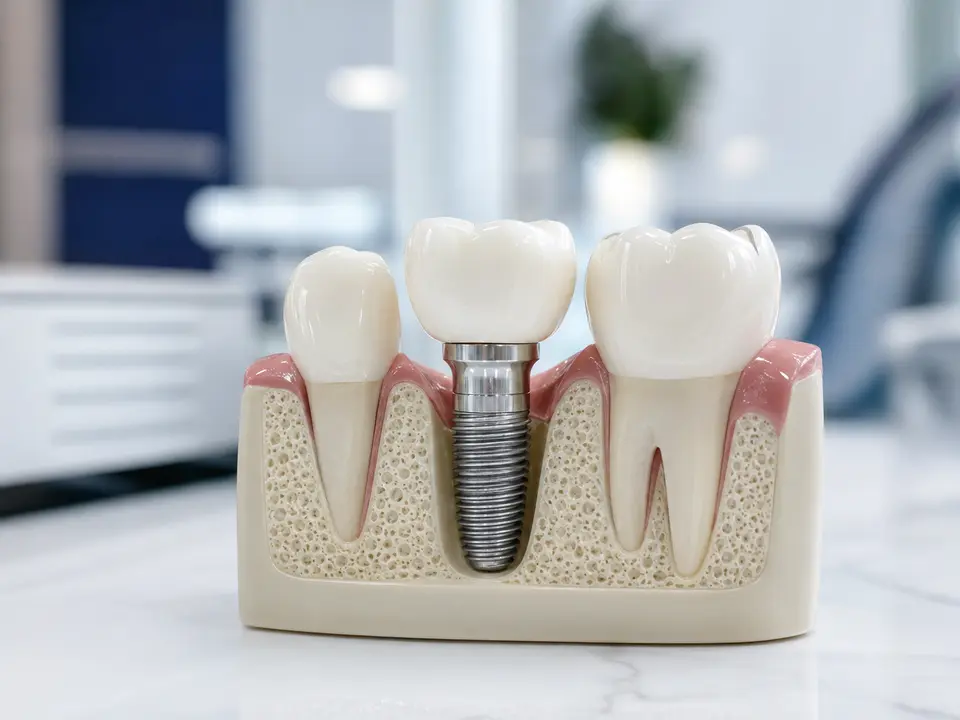
Personalized Dental Care in Chicago
A partial denture is designed for patients who still have some natural teeth but need to replace several missing teeth. The appliance may use clasps, rests, or other components to gain support and stability from the remaining teeth and tissues.
Successful treatment depends on the health and position of the remaining teeth, gum condition, bite, size of the missing spaces, and how the appliance can be designed for cleaning and function. Teeth with active decay, periodontal disease, or a poor prognosis may need treatment before the final partial is made.
Partial dentures are removable and feel different from natural teeth. Adaptation, hygiene, and periodic adjustments are important parts of long-term care.
Design
The dentist evaluates which teeth can safely support the appliance and whether restorations, periodontal care, or other treatment is needed first. The final design aims to distribute forces appropriately while remaining practical to insert, remove, and clean.
Adjustment
New partial dentures can feel bulky or create pressure points during the adaptation period. The dentist may make small adjustments after delivery. Do not bend clasps or grind the appliance at home because this can damage the fit or framework.
Speaking and chewing generally improve with practice, but removable prostheses do not reproduce the exact feel or force of natural teeth.
Cleaning
Food and plaque can collect around clasps and supporting teeth, increasing the risk of decay or gum inflammation. Remove and clean the partial as instructed and brush the natural teeth carefully, especially around areas that contact the appliance.
Periodic exams are important because the mouth and supporting tissues can change over time.
Alternatives & Coverage
Depending on the pattern of missing teeth, alternatives may include dental implants, fixed bridges, or a combination of treatments. Each approach has different requirements for surgery, support teeth, cleaning, cost, and maintenance.
Insurance benefits for partial dentures vary by plan and may include replacement-frequency limits, prior authorization, deductibles, and annual maximums.
Partial Denture Cost
Partial-denture cost depends on the design, materials, number and location of missing teeth, condition of the remaining support teeth, whether preparatory dental work is needed, laboratory requirements, and insurance benefits.
The dentist can also compare a removable partial with fixed bridges and dental implants so you understand the differences in support, maintenance, treatment time, and estimated out-of-pocket cost.
Common Questions
A partial denture replaces selected missing teeth while natural teeth remain. A full denture replaces an entire upper or lower arch when no natural teeth remain in that arch.
A properly planned appliance is designed to use remaining teeth for support, but plaque, poor hygiene, excessive force, or changes in fit can create problems. Regular dental care and cleaning are important.
Yes, but adaptation takes time and chewing efficiency is different from natural teeth. Starting with softer foods and balanced chewing can help while you learn to use the appliance.
Implants can provide fixed or enhanced support in selected cases, but they require sufficient bone, surgery, healing, and additional cost. A partial denture may be a practical non-surgical option for many patients.
Many plans provide some prosthetic benefits, but replacement periods, deductibles, annual maximums, missing-tooth rules, and prior authorization can affect coverage.
Related Care
Full dentures are designed to replace a complete arch of missing teeth and support everyday function and appearance.
Explore Full Dentures →Implant consultations help patients explore durable tooth-replacement options for one tooth, several teeth, or a full arch.
Explore Dental Implants →A dental bridge may replace one or more missing teeth to improve chewing, appearance, and tooth stability.
Explore Dental Bridges →Plan Your Visit
Review accepted insurance information and explore Sunbit, CareCredit, secure online payments, and other available ways to manage dental treatment costs.
Plan Your Visit
Schedule a tooth-replacement consultation to compare partial dentures, bridges, implants, and other options for your specific pattern of missing teeth.