Porcelain Veneers
Veneers may improve the color, shape, size, and symmetry of selected front teeth through personalized smile planning.
Explore Porcelain Veneers →Chicago Dental Care
Professional whitening can brighten many types of natural-tooth staining, but the best approach starts with understanding why the teeth are discolored and whether existing dental work will affect the result.
Treatment recommendations depend on an examination, current imaging when appropriate, medical history, and the condition of your teeth and gums.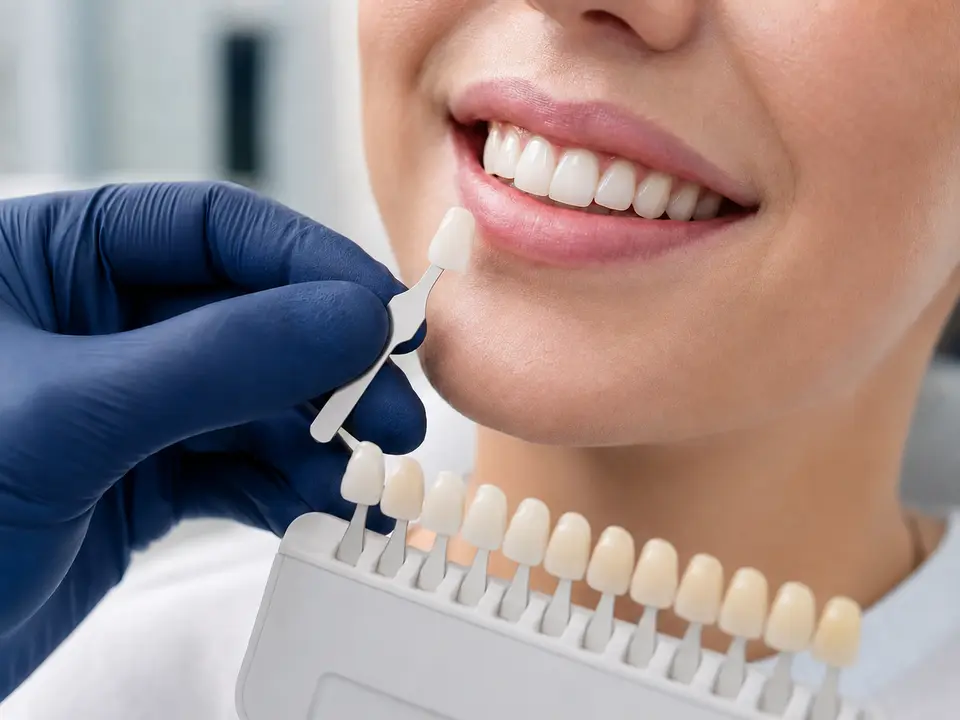
Personalized Dental Care in Chicago
Teeth can darken from coffee, tea, tobacco, dietary pigments, aging, medication effects, trauma, or changes within the tooth. Some stains respond well to bleaching agents while others are more resistant and may require a different cosmetic strategy.
Crowns, veneers, bridges, fillings, and other restorations do not whiten the same way natural enamel does. If restorations are visible in the smile, whitening the surrounding teeth can create a shade mismatch that may need to be considered before treatment.
A dental examination helps identify cavities, gum irritation, cracks, sensitivity, or other conditions that may need attention before whitening. The goal is a cosmetic plan that does not ignore oral health.
Types of Staining
Surface stains from foods, drinks, and tobacco may respond differently from internal discoloration caused by trauma, development, medication exposure, or changes within the tooth. A single dark tooth may require a different diagnostic approach than generalized yellowing.
The dentist can help determine whether whitening, restorative treatment, veneers, or another option is more appropriate for the concern.
Existing Dental Work
If you have visible crowns, bridges, veneers, bonding, or fillings, their color generally remains unchanged during whitening. For patients planning new cosmetic restorations, whitening may be completed first so the final restorations can be matched to the desired tooth shade after stabilization.
Sensitivity
Some patients experience temporary sensitivity to cold or gum irritation during bleaching. The dentist can discuss product use, treatment timing, and ways to reduce unnecessary exposure based on your oral condition.
Whitening should be paused and evaluated if symptoms are severe, prolonged, or associated with an untreated dental problem.
Maintaining Results
Color can gradually change again with diet, tobacco, aging, and other factors. Good oral hygiene, professional cleanings, and limiting frequent stain exposure can help maintain a brighter appearance. Future touch-up treatment may be discussed when appropriate.
Professional Whitening
Professional whitening is intended to brighten natural tooth structure, but fillings, crowns, bridges, veneers, and other restorations generally do not whiten in the same way. An examination can identify cavities, gum irritation, sensitivity, cracks, or existing restorations that may affect the safest and most predictable plan.
The dentist can also explain when whitening alone may not correct the appearance of a dark, internally discolored, heavily restored, or structurally damaged tooth and whether another cosmetic or restorative option should be considered.
Common Questions
No. Response depends on the type and cause of discoloration. Some internal stains, restorations, or single-tooth changes may not respond predictably to standard bleaching.
No. Existing dental restorations generally do not whiten like natural teeth, so visible restorations may no longer match after the surrounding teeth become lighter.
Temporary sensitivity can occur. The amount varies by patient, product, concentration, exposure time, and existing dental sensitivity.
There is no fixed duration. Diet, tobacco, oral hygiene, aging, and individual tooth characteristics influence how quickly staining returns.
Often it is useful to establish the desired natural-tooth shade before matching new visible restorations, but sequencing depends on your treatment plan. Discuss timing with your dentist first.
Related Care
Veneers may improve the color, shape, size, and symmetry of selected front teeth through personalized smile planning.
Explore Porcelain Veneers →Routine cleanings, comprehensive exams, and digital X-rays help protect your oral health and identify concerns early.
Explore Dental Cleanings & Exams →Composite fillings repair cavities and damaged areas while blending naturally with the surrounding tooth.
Explore Tooth-Colored Fillings →Plan Your Visit
Review accepted insurance information and explore Sunbit, CareCredit, secure online payments, and other available ways to manage dental treatment costs.
Plan Your Visit
Schedule a cosmetic consultation to determine whether professional whitening is appropriate for your teeth, restorations, sensitivity, and smile goals.